 Ngoc
Ngoc Yoga is a holistic practice that integrates physical, mental, and emotional well-being. Originating in ancient India, it offers a wide range of benefits that enhance the quality of life. In today’s fast-paced world, the significance of yoga has only grown, providing individuals with tools to navigate stress and promote overall health. This post explores the multifaceted advantages of yoga, emphasizing its importance in contemporary society.
Physical Health Benefits
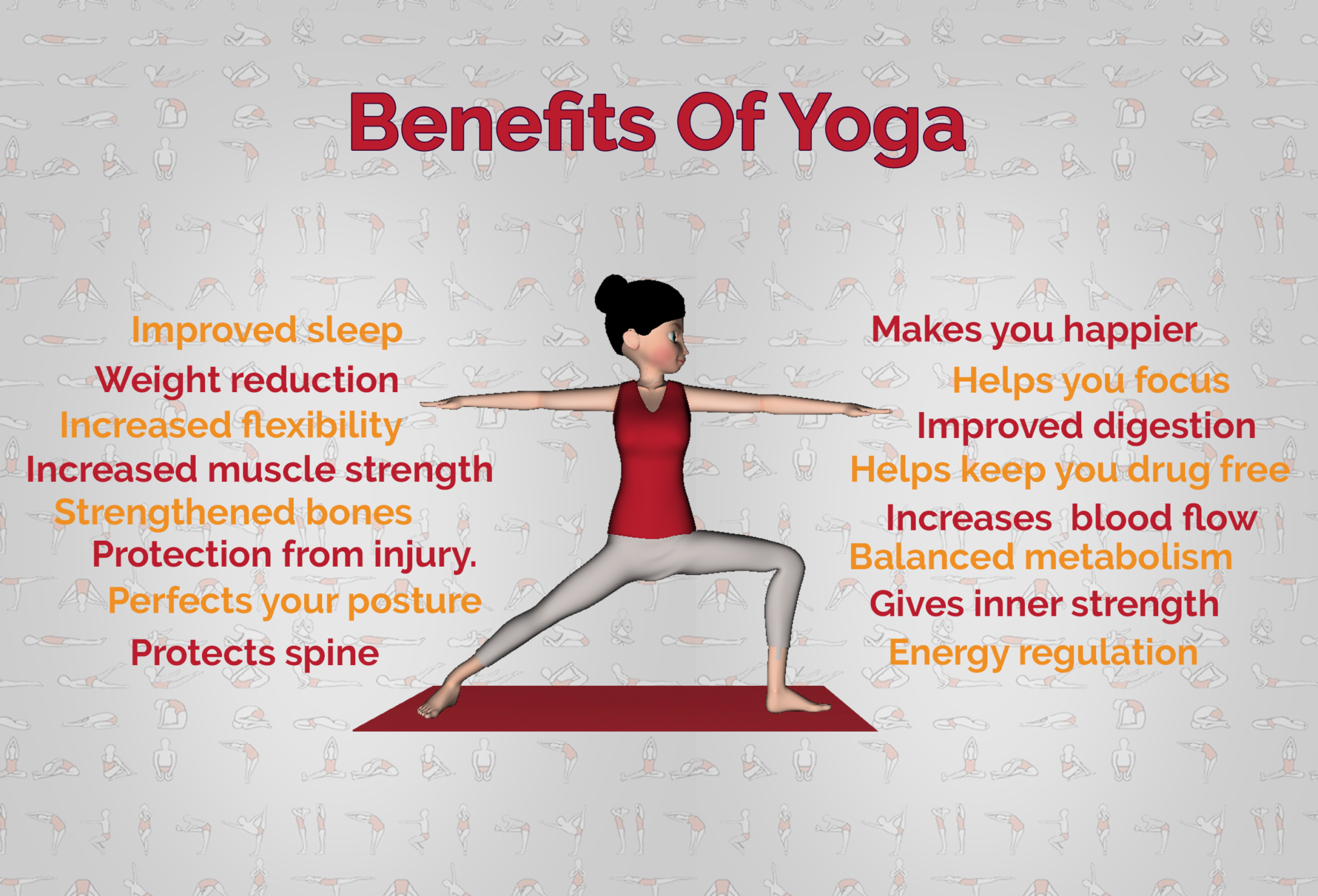
Yoga significantly contributes to physical health by improving flexibility, strength, and overall body alignment. Regular yoga practice enhances posture and balance, which can reduce the risk of injuries over time. Many individuals experience relief from chronic pain conditions, such as lower back pain, through the relaxation techniques and body awareness cultivated in yoga. Engaging in various poses, such as downward dog and warrior, not only enhances muscle tone but also promotes cardiovascular health. These practices encourage better circulation and strengthen the heart, contributing to a more robust body. Additionally, yoga supports weight management by fostering mindfulness in eating habits, helping individuals become more aware of their bodies and nutritional needs. As practitioners develop greater awareness of their physical state, they often notice an improvement in their overall energy levels. This revitalization is essential for maintaining an active lifestyle. By incorporating yoga into daily routines, individuals can experience significant improvements in their physical health, leading to a more balanced and active life.
Mental Well-being
The mental health benefits of yoga are profound, incorporating breathing exercises and meditation that effectively reduce stress and anxiety. In a world filled with distractions and pressures, yoga provides a sanctuary for individuals to reconnect with their inner selves. The practice of mindfulness enhances concentration and mental clarity, which can benefit both personal and professional aspects of life. Many practitioners find that yoga improves emotional regulation, fostering resilience against life’s challenges. The calming nature of yoga facilitates better sleep patterns, significantly contributing to overall mental health. Regular practice encourages a focused and peaceful mind, essential for navigating the complexities of daily life. Moreover, yoga can serve as a preventive measure against mental health issues. By establishing a routine that prioritizes mental well-being, individuals can reduce the likelihood of experiencing anxiety and depression. This holistic approach nurtures a more balanced emotional state, creating a foundation for healthier relationships and improved quality of life.
Spiritual Growth
Yoga is not just a physical practice; it is a pathway to self-discovery and spiritual growth. Through techniques such as meditation and mindfulness, individuals learn to connect with their inner selves, fostering a deeper understanding of their thoughts and emotions. This spiritual aspect of yoga promotes a sense of peace and fulfillment, encouraging practitioners to appreciate the present moment. Engaging in yoga can lead to profound shifts in perspective, allowing individuals to cultivate gratitude and contentment. The introspective nature of yoga encourages individuals to explore their beliefs and values, resulting in a more meaningful life. This journey of self-discovery often leads to a greater connection with others and the universe, enhancing one’s overall sense of purpose. As practitioners delve deeper into their yoga journey, they may find themselves more open to new experiences and ideas. This openness fosters personal transformation and enlightenment, empowering individuals to live authentically. Embracing the spiritual aspects of yoga can lead to a richer, more fulfilling existence, marked by deeper connections with oneself and the world.
Community and Connection
Participating in yoga classes creates a sense of community and belonging that is essential for social well-being. The shared experience of practicing yoga fosters bonds among participants, enhancing emotional support and connection. This community aspect can be particularly beneficial in reducing feelings of isolation and loneliness, which are prevalent in today’s society. Yoga classes often provide a safe environment for individuals to express themselves and share their journeys. The camaraderie built through collective practice can lead to lasting friendships and support networks. Whether in a studio or online, the sense of community nurtured through yoga encourages individuals to engage with one another, promoting emotional health and resilience. Moreover, the community aspect of yoga can enhance motivation and accountability. Practicing alongside others can inspire individuals to maintain their commitment to yoga and overall wellness. This shared journey not only enriches personal practice but also cultivates a supportive atmosphere where individuals can thrive together.
Holistic Approach to Health
Yoga promotes a holistic approach to health by integrating body, mind, and spirit. This interconnectedness encourages individuals to adopt healthier lifestyle choices, such as improved nutrition and regular physical activity. The awareness cultivated through yoga practice fosters a deeper understanding of how physical health impacts mental and emotional states. By focusing on overall wellness, yoga inspires long-term health benefits. Practitioners often report enhanced energy levels, improved digestion, and better immune function as a result of their commitment to yoga. This comprehensive approach empowers individuals to take charge of their well-being, leading to a balanced lifestyle that encompasses all facets of health. Furthermore, yoga encourages self-care practices that extend beyond the mat. Individuals learn to prioritize their needs and well-being, leading to healthier relationships and improved life satisfaction. The holistic framework of yoga serves as a foundation for lasting health and wellness, making it an invaluable practice for individuals seeking a balanced life.
Accessibility and Adaptability
One of yoga’s greatest strengths is its accessibility; it can be practiced almost anywhere with minimal equipment. This adaptability makes yoga appealing to a diverse audience, including people of all ages and fitness levels. With various styles available, such as Hatha, Vinyasa, and Yin, individuals can find a practice that suits their unique needs. Whether a beginner or an advanced practitioner, there is a style of yoga that can be beneficial. This flexibility allows individuals to explore different approaches, ensuring that they remain engaged and motivated in their practice. Many people find that they can adapt yoga to fit their lifestyles, whether through online classes, community sessions, or personal practice at home. The inclusive nature of yoga encourages individuals to embark on their wellness journey without feeling intimidated. As they explore the different styles and techniques, practitioners can discover what resonates with them, fostering personal growth and development. This accessibility ensures that yoga remains a valuable resource for anyone seeking to enhance their well-being.
Scientific Support for Yoga
Numerous studies support the effectiveness of yoga in enhancing physical and mental health. Research has demonstrated improvements in cognitive function, stress reduction, and emotional well-being among practitioners. Regular yoga practice has been linked to increased flexibility, balance, and muscle strength, highlighting its role in promoting physical fitness. Additionally, yoga has been associated with lower body mass indexes and healthier lifestyle choices. The scientific backing provides credibility to yoga’s claims, encouraging more individuals to incorporate it into their lives. As awareness of yoga’s benefits grows, more people are discovering the potential for improved health and wellness through consistent practice. The evidence supporting yoga’s effectiveness is vast and continues to evolve. As researchers explore the myriad ways yoga impacts health, they uncover new insights into its role in preventing chronic diseases and promoting overall well-being. This scientific validation reinforces the importance of yoga as a valuable tool for enhancing quality of life in today’s society.
Conclusion
Incorporating yoga into daily routines can lead to a more balanced and fulfilling life. Its numerous benefits span physical health, mental clarity, and spiritual growth, making it an invaluable practice for anyone seeking overall well-being. Embracing yoga fosters a deeper connection to oneself and the world, promoting a harmonious lifestyle. As we navigate the complexities of modern life, yoga remains a powerful tool for enhancing quality of life and achieving personal growth. By prioritizing physical, mental, and spiritual health, individuals can cultivate a sense of peace and fulfillment that enriches their lives and those around them. The journey of yoga is one of continuous exploration and self-discovery, offering profound rewards for those who commit to the practice.
